Neck Massager Buying Guide
Start with the experience you want: an electrical-pulse collar, a mechanical kneading massager, or a warming wrap. Then compare the exact model, fit, controls, delivered price and return terms. A higher price alone does not establish better quality.
Our role in this comparison
Verta sells a heated EMS neck massager. This is a seller's buying guide, not an independent lab test. We have not completed hands-on comparative testing of the devices discussed here. Product descriptions and seller offers are useful comparison inputs; they do not establish clinical effectiveness or customer outcomes.
EMS versus shiatsu: decide what you want to feel
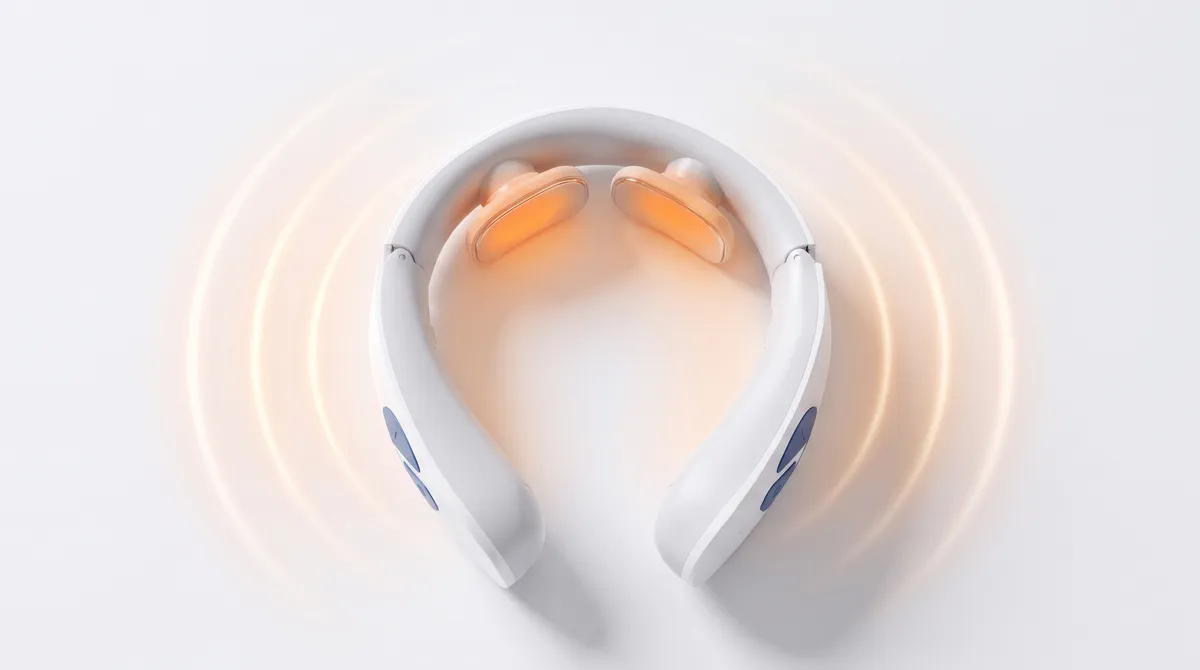
An EMS collar uses electrical pulses through contact pads. A mechanical shiatsu-style device uses moving massage heads. A heat-only wrap provides warmth without either mechanism. Product names often mix these terms, so inspect the exact model's manual and photos before ordering.
If you want physical kneading, choose a device with mechanical massage heads. Do not buy an EMS collar expecting rotating rollers. If you are considering a device for a diagnosed condition, ask your clinician about the particular device before buying.
Compare these details before paying
| Question | What to verify |
|---|---|
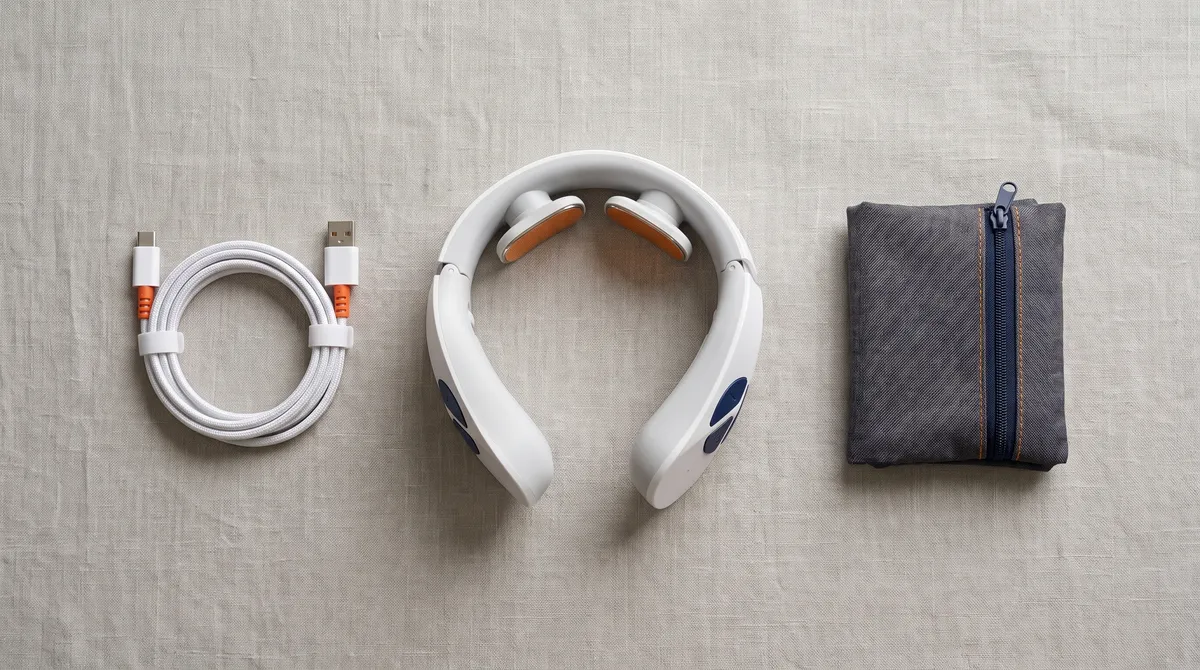
| Which exact model will arrive? | Model or variant identifier, included cable, controls, and actual-unit photos. Similar housings can contain different electronics. |
| What is adjustable? | Check whether a level count describes pulse intensity, heat, or both. They are different settings. |
| Does it fit? | Contact-pad placement, collar dimensions, and any stated fit limits. A product photo does not prove personal fit. |
| What is the session limit? | Read the supplied manual and automatic shutoff specification. More time is not automatically better. |
| What is the complete price? | Currency, delivery, duties, taxes, and any required accessories. |
| What happens if it disappoints? | Return eligibility after opening, return postage, destination, refund timing, and warranty exclusions. |
Why similar-looking devices have different prices
During our September 10, 2026 review, Bestdela listed an EMS collar at US$26.97 with a product photo visually matching our supplier reference. That does not prove identical internal components, quality control, delivery or after-sales service. It also means we cannot claim Verta has unique hardware or that a cheaper device is inferior without testing.
For a different branded product in the broader category, SKG lists the G7 Pro-Fold at US$149.99. It is a different model, not a like-for-like substitute. Check current seller pages: prices and offers can change.
Verta's offer, plainly stated
Our heated EMS neck massager is listed at US$74.95 or CA$99.95. Review the shipping policy and return policy before ordering.
Verta is a wearable pulse-and-heat collar. It is not a mechanical kneading device. We do not claim it corrects posture, causes weight loss, drains lymph, or cures a medical condition. We also do not present AI product illustrations as evidence of product performance.
See Verta's product details, price and purchase options.
Frequently asked questions
Is a more expensive EMS neck massager necessarily better?
No. Compare the exact device and service commitments. Price, polished images and advertised discounts cannot substitute for evidence about the product you will receive.
Are EMS and shiatsu neck massagers the same?
No. An EMS collar delivers electrical pulses; a mechanical shiatsu massager uses moving heads. Check the mechanism instead of relying on the word “massage.”
Can I compare Verta's US and Canadian prices directly?
They are different currencies: US$74.95 and CA$99.95. Compare the delivered price in your checkout currency and read the shipping and return terms.
Has Verta independently tested all the alternatives in this guide?
No. This guide compares seller information and buying criteria. It is not a hands-on ranking or a claim that Verta outperforms other devices.
Keep reading